My 75 Year Journey from Fit to Fat and Back Again
This is about my lifetime journey from fit to fat and how I got back to fit.

The stimulus for my becoming a distance runner was the coach cutting me from the 9th grade basketball team. There simply wasn’t much call for a skinny, 5-foot 8-inch kid with a poor jump shot. I went out for cross country and found I could run well enough to be competitive. My sophomore year, I decided I would win the league 2-mile championship and have a good enough time to get a college scholarship. I did win it but not in a fast enough time. That was my first exposure to having a goal.
When I graduated high school, I was a 139-pounder and after quitting running my junior year in college, I quickly added 10 plus pounds and established what my true weight should be. However, by the time of my 20-year reunion, I had blossomed to 170. In fact, I was so good at gaining weight, I kept going until one day I hit 185. I was smoking, drinking coffee all day, booze at night, seldom exercising and working a high stress job. In short, I was a middle-aged mess.
Over the years, I made various attempts at losing weight and getting fit, but none that lasted until recently. The crisis that stimulated weight loss would pass and I would slip back into my slovenly ways and eating habits. My final wakeup call was a Type 2 diagnosis in my late 50s.
But before I talk more about my favorite subject, me, let’s talk about you.
Your 20 Year Reunion Wake Up Call
It’s been 20 years since high school during which time you have feasted on a typical American diet (fats, salt, sugar,) seldom exercised and sat at a desk all day. Your most physical activity is walking from and to the parking lot. You have succeeded in adding 2 pounds a year. That 40 extra pounds isn’t going to miraculously melt off. But you can do it with the right goals and objectives.
The biggest mistake in weight control is having too short a time span. Because you will fall off the wagon, you need a long-term time for getting fit.
No Pain, No Gain
No pain, no gain is an expression meant for high school kids. If your exercise is painful, your mind will reject it, and no habit will result. Instead, build an enjoyable fitness program that isn’t painful and helps you achieve your goals. You may need a trainer, coach, or physical therapist to help design your ideal program.
The great distance runner Australian Ron Clarke, who set 17 world records in the mid-1960s, had this to say about training: “Be patient and enjoy yourself. Enjoy the training…If it’s not fun, it is not worth it…” This from a man who ran 3 times a day, 100 miles a week, while working as an accountant.
There are several types of movement on human legs. There is sauntering as opposed to walking at a steady pace; plodding where your corpulent body thinks its jogging but really is just a sort of shuffle; walking at a pace that increases your heart rate: actual jogging where you have a kind of slow-motion running style; race walking; then running you start moving at a better pace and look like a runner; and finally sprinting.
Before you start jogging, please consider the story of Jim Fixx, author of “The Complete Book of Running” in 1977. He helped start America’s jogging craze. However, at age 52, he died of a heart attack while running.
Instead of starting jogging (plodding,) first work on your goals and objectives.
Long Range Goals Are Critical
Goals are long range, it’s where you want to be. Objectives are measurable steps along the way. A goal for your reunion may be to look sharp in your blazer without worrying that the buttons on your dress shirt will pop off hitting the homecoming queen in the eye. Losing 20 pounds is an objective to your goal of a new, svelte you.
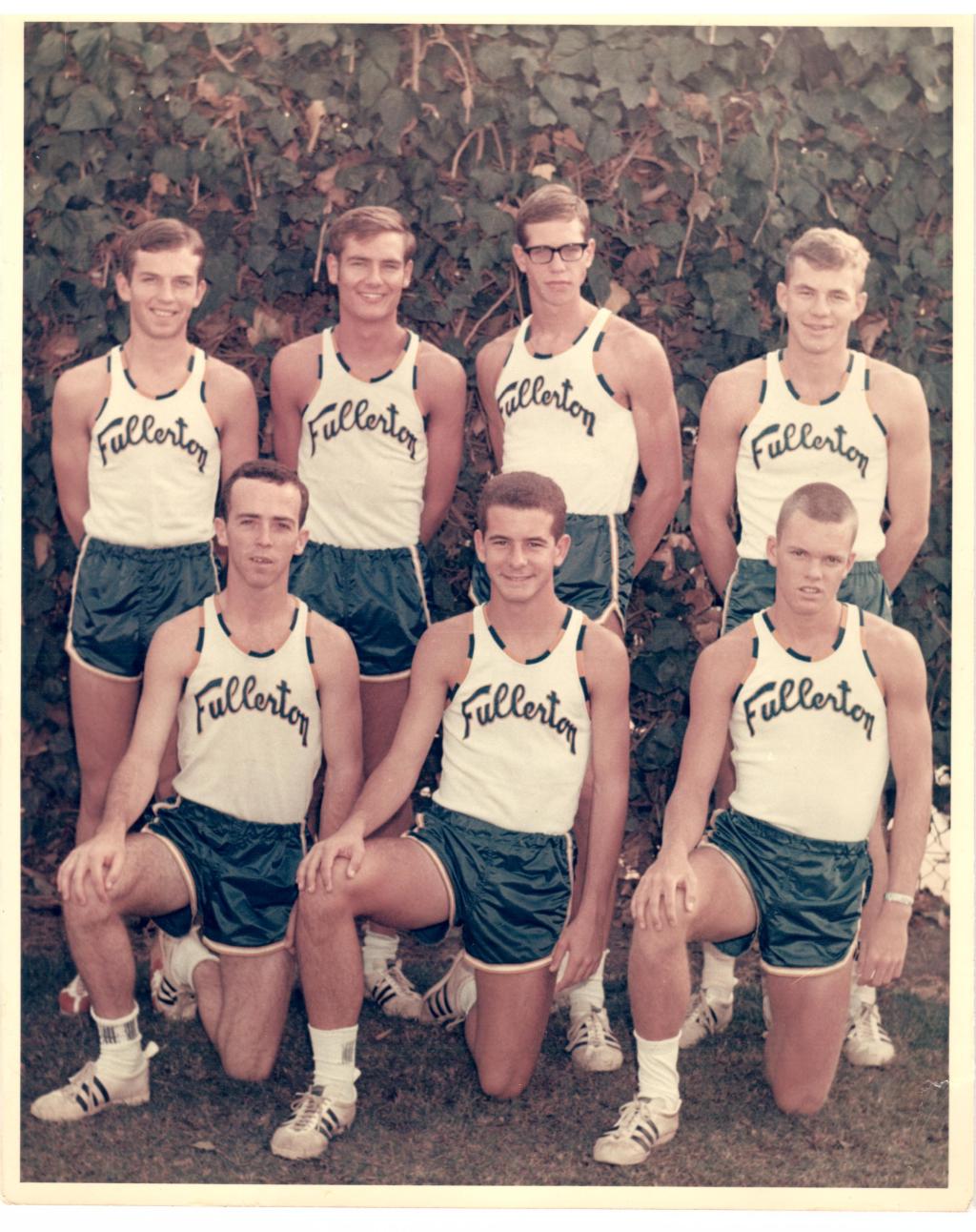
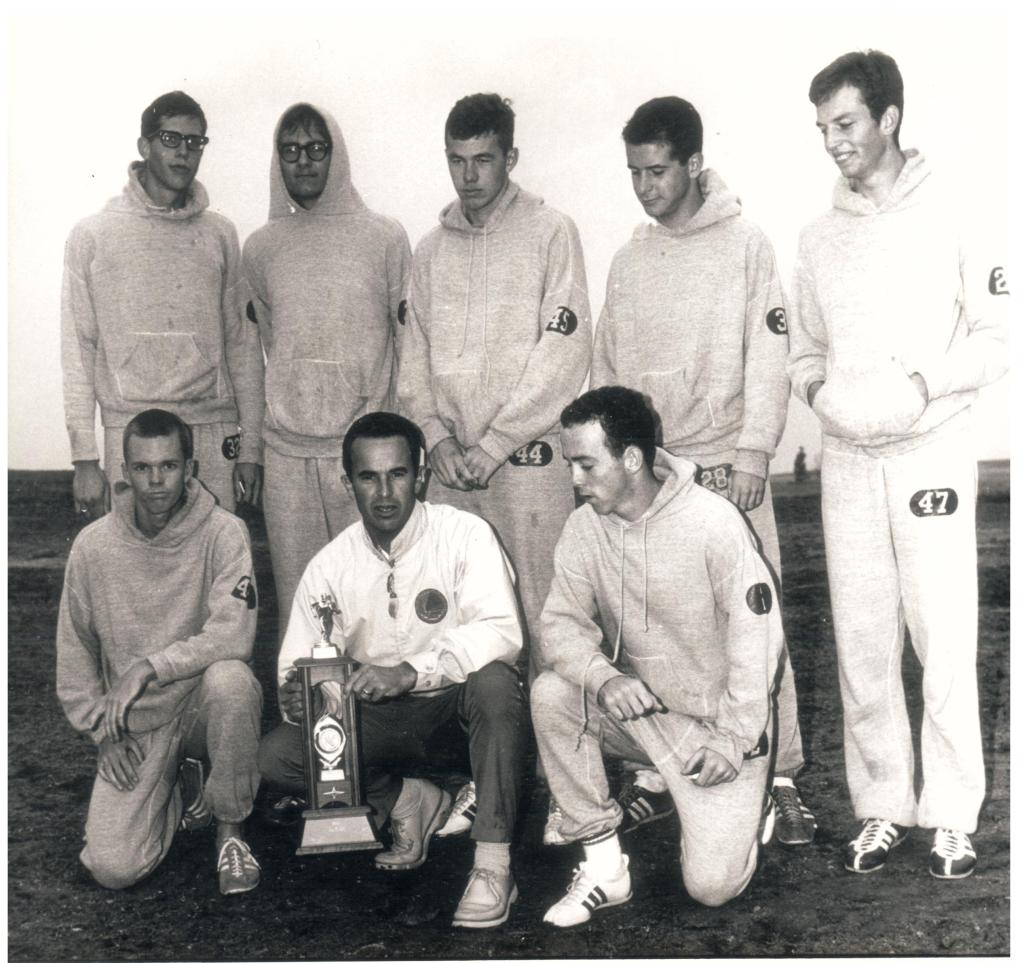
I really learned about goals my freshman year in college, I had the privilege of running cross country for Tom Tellez, who later coached the US Olympic Team and became one of our country’s greatest track and field coaches. At our first team meeting, and with only 7 guys on the team (it takes 7 guys to run a race,) he laid out our goal: winning the state championship. Then he outlined the steps (objectives) to reach the goal. I distinctly recall how we were going to be on the “valley of fatigue” for the 3 months, not taking a rest day for the dual meets.
We all bought in to the goal. The result was our little group of runners won our conference and finished second in the state to a team. We barely missed our goal but learned a lot about dedication and hard work.
Your Long-Range Fitness Goals
Having long range goals helps you keep on your fitness program, even when you fall off for a couple of weeks, which you will, typically when on vacation.
How would a 4-year goal strike you? Considering it took 20 years for you to get in your current shape, cut yourself some slack. How about a goal of “In 4 years, I will return to my high school 25-year reunion looking as fit as the day I left.” You will need new habits of eating, drinking, and working out to get there.
Before starting a new program, you should schedule a visit to your family doctor and get a complete blood work up. If you are thinking you want to run, see an Orthopedic surgeon. When I wanted to get back in shape for my 20-year reunion, I had x-rays taken of my legs. But it was bad news: osteoarthritis in my knees and ankles to go with my occasional gout attack meant no running or jogging for me! Instead, he recommended weight training to strengthen my legs and support my already aging knees.
Staying on your program takes support, so enlist others in your journey so you have accountability. I created a Power Point with my goals and objectives, both physical, personal, and family. I reviewed it regularly. My supportive wife, who has her own fitness program and weighs the same as in high school, and 2 athletic sons made it easier to try to stay in shape.
Even with that, the stresses of my sales and marketing jobs would disrupt my program and the weight would creep back on over time. No amount of soccer coaching could offset travel, dining and sitting at a desk. I went from fit to fat and back again for 20 more years. But I always had my goals.
Creating Your Objectives
Objectives are measurable such as weight, waist size, chest size, neck size, resting heart rate, cholesterol, blood pressure and your A1c (diabetes reading.) Lay out a chart (Excel is a nice tool for this purpose) with your current readings and your annual objectives. Keep a written diary. I did this in high school and still do it today.
- Get a smartwatch. I use Fitbit and its app for tracking my activities, diet and glucose readings. Did I mention my old diet and family heredity resulted in Type 2 diabetes? More on that later.
- Change your eating and drinking habits. There are a lot of good resources for healthy diets that reduce your sugar and salt cravings. My old weight loss diet was to cut out cheese and beer. Chart your calories and what you ate on Fitbit until you have such a strong grip on your diet, it’s become a new healthy habit.
- Find a cardio activity. Or 2 or 3 that are also kind to your corpulent body and 40-year-old knees. Walking, biking, or swimming are excellent. Start working in the yard and using the stairs. Do what you enjoy, just do more of it. Avoid cardio activities that make you feel like you want to die…like jogging in Florida in the summer.
Lean Muscle Mass
Get into such good overall shape that your new lean muscle mass will support your various physical activities. Understand I am not against running, I just know you need to be leaner first.
If you still want to start running, do not simply pile up the miles at a slow pace. It will take forever for you to improve, and your knees will know it. Interval training builds endurance and speed fast. An enjoyable method of interval training is speed play, known as fartlex. It consists of walking, jogging, and running in succession and then repeating it. I did fartlex (that sounds disgusting) using telephone poles to mark the distance but it’s just as easy, and more enjoyable, to do it in a park. You will do more for your fitness in one mile of this workout than 3 miles of jogging. Fewer steps equal less stress on your joints
Diabetes Strikes
Unfortunately, in my later 50s, I fell back into old habits including drinking too much beer, smoking cigars and not working out regularly. I had stopped refereeing and gained weight. Then my physician pronounced me a diabetic, a result of my lifestyle and heredity. I was turning 60 and once again had to move from fat to fit.
I quickly dropped 10 pounds, permanently eliminating beer and smoking. I decided to start a walking program and referee soccer again. However, my body was not responding to just walking. That’s when I re-focused on strengthening my legs and weight training. After a few months, my running was good enough I could referee a soccer match on a full-size field. As my muscle mass improved, I started steadily dropping weight and waist sizes. And I have never stopped the workouts since then.
Getting Off Medications
One of the hazards of getting older is your physicians start prescribing more drugs. They might tell you to drop weight and eat better, but I am betting they know most people won’t, so its onto prescription drugs. Especially when they are talking to a 60-year-old with confirmed unhealthy habits.
I hate taking medications. For me, it’s a matter of pride. My goal when I turned 70 was eliminating prescription medications without harming my health.
Thanks to my diet changes and stopping beer drinking, I haven’t had a gout attack, which is one of the most painful things imaginable, in over 15 years. Gout, an acute form of arthritis that attacks joints such as the big toe, is from a buildup of uric acid. I stopped my medication and now manage it with diet and by monitoring the uric acid with blood tests.
Despite my fitness efforts, last year, my physician thought I needed statins because my HDL cholesterol was a bit high. Instead of taking statins, I focused on improving my diet starting with cutting fats from my diet including eating fewer eggs and using unsalted grass-fed butter. At my next blood test, my HDL was its lowest ever.
Dumping Metformin
This encouraged me to dump Metformin, the most prescribed drug for diabetes. Unfortunately, it can become a crutch for Type 2 diabetics. Type 2’s typically got it by not paying attention to their fitness and diet, having unhealthy habits. Metformin gives people the illusion of being free to eat whatever they want because “Metformin will fix it.” And Type 2 diabetics often have high blood pressure and high cholesterol, the classic metabolic disorder. Metabolic disorder is typical of being overweight and having a sedentary lifestyle.
My A1c has long been under 7.0, the break point in control of diabetes. My Type 2 was under control. Physicians, being an untrusting lot, are loath to take patients off medications. Rather than ask for permission, I decided to ask for forgiveness if my plan to dump Metformin failed. I purchased a home A1c kit at Walmart. My first test result was 6.4, a reading considered pre-diabetic. That became my objective for my next lab work prior to my semi-annual physician visit.
Achieving my no med goal meant working harder on my diet, increasing the length of my workouts, walking more, and spending more time working in the yard. I added a high fiber bread (Dave’s Killer Bread), started eating my salad and proteins before carbs (slows the glucose spiking from carbs,) subbing an orange for juice, and balancing my carb intake with protein. I still drink a little bourbon, wine with dinner, and have a scoop of ice cream on a high protein, high workout day.
2 months without Metformin, my daily fasting glucose readings average is on par with my Metformin days
I am looking forward to my goal of having my physician agree to keep me off Metformin. At last, I will be totally drug free!
My Fitness Journey Continues
I turned 75 last month and my energy level is better than it was 30 years ago.
I now weigh what I did in my early 20s (155) and wear the same size pants (32 waist.) My blood pressure is normal, resting heart rate in the low 50s, and my cholesterol HDL is around 75. More importantly, I have diabetes on the run. Thanks to eating right, walking, and regular weight training I am in the best shape of my last 50 years. I have finally stopped ping ponging from fit to fat.
Better yet, people comment on how fit I look without the caveat, “for a man your age.”
I can’t wait to go to my next reunion!
Set your goals, create your objectives, and journal your activities. Do whatever exercise you find enjoyable. Get someone to support your efforts. Work on your diet until it’s helping your fitness. If you enjoy it, you will keep doing it until it’s a habit. Healthy habits lead to a fitter and happier you.
You will zig and zag on your fitness journey, sometimes falling off for a while, but keeping after it is well worth it.
Good luck on your journey!
 J. F. Shumate
Leave a comment